
Secrets of a Trail Running Coach
James ‘Monty’ Montgomery is one of South Africa’s top coaches; and when it comes to trail running, he’s become the go-to mentor for pros and non-elites alike.

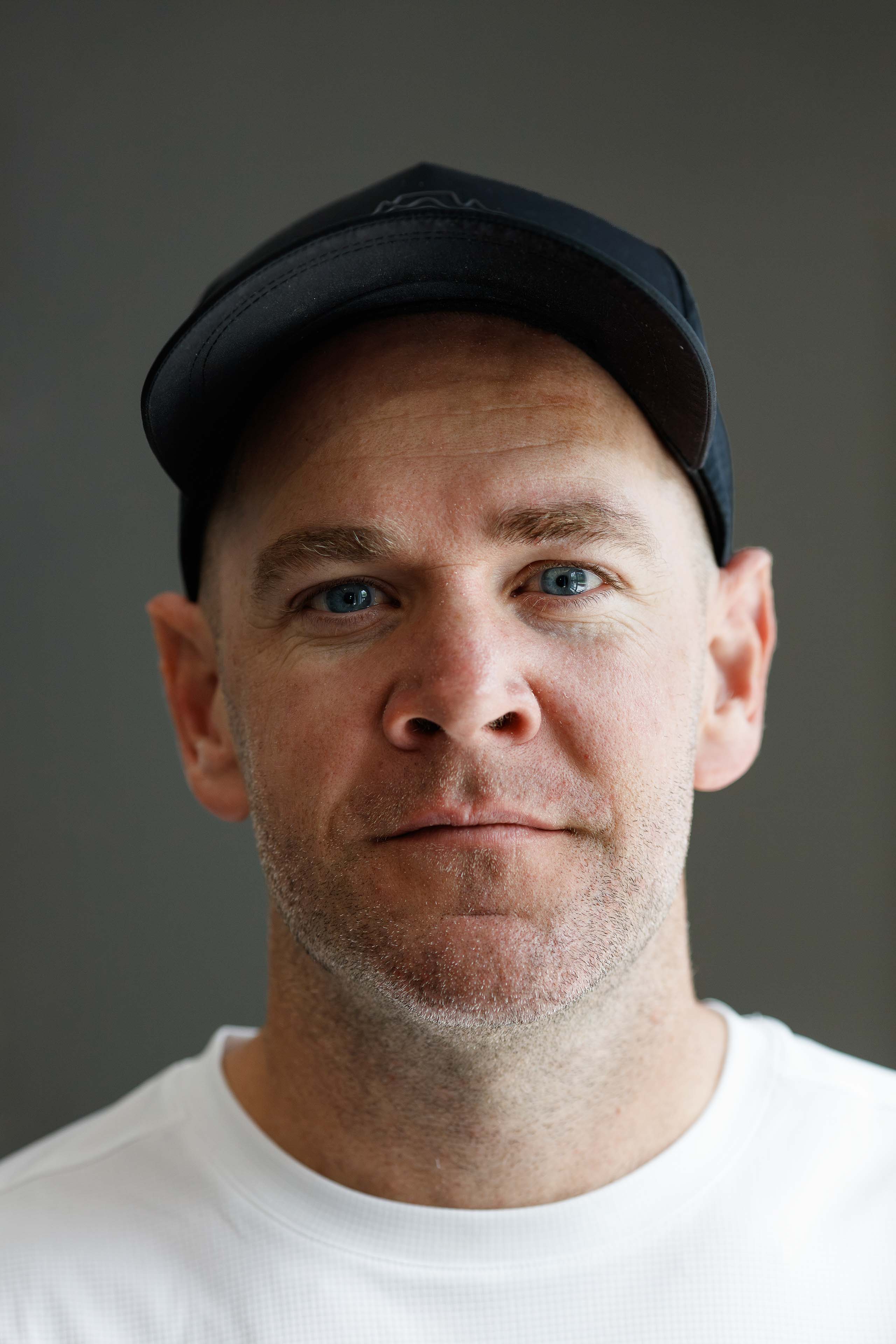
Stellenbosch-based James Montgomery has trained road, track and trail athletes, and knows a thing or two about what makes them all tick. Montgomery coaches elites such as 2026 Otter Trail runner-up Philani Sengce and local trail legend Kane Reilly, but also supports athletes a little lower down the results sheet – like Rodney Long, an ultra-distance power hiker.
His coaching business – The Run Project, which he started with pro trail runner Meg Mackenzie – focuses on a wide variety of running disciplines, from trail to road and track, with the motto Run Healthy, Run Happy, Run Strong.
Here’s some of his wisdom.
How To Measure Training: Time vs Distance
“The human body doesn’t differentiate between kilometres. It’s stress, stimulus and then stress, right? So I think it just makes more sense, from a trail-running standpoint, to coach to time as opposed to distance.
“But I do think there are times when you’re trying to relate that time to a distance. You need to enable someone to cover a certain distance within the time frame you’ve given them to prepare for a race. So you need to understand how time equates to distance, based on your training and on the route of the race you’re preparing for.”
The Importance of Skills
“Look at two of our most successful marathon athletes in trail, Kane Reilly and Robbie Rorich. Kane is exceptionally good at climbing, and Robbie’s exceptionally good at running downhill. So how much time does Kane need to put into Robbie going up knowing he’s going to lose a lot on the descent?
“I’m not sure how much of that ability you can coach. I think the environmental load that you’re exposed to is really important in that. Someone like Robbie doesn’t really think about what he does when he’s running down a trail, right? It’s like the best movement is often subconscious movement.
“But I’m not sure that you can improve Kane to the point where he’d be as good as Robbie at running downhill, simply by working on it. I think he would have a limit. Whereas you’ll probably find there’s a decent amount you could do for Robbie to improve his fitness and climb faster.”
Running 100km or 100 Miles
“If you take someone who might take 15 hours to run 100km, and 32 to 34 hours for the 100 miles 160km, you need to find ways to build training volume. You could do that by having them run at night. Which is not what you would do with elites, where a lack of sleep would compromise their recovery. With non-elites, you’re building other tools, so they can spend a long time on their feet and eat and drink consistently.”
READ THE FULL STORY IN THE NOVEMBER/DECEMBER 2026 EDITION OF RUNNER’S WORLD
or
WATCH THE FULL INTERVIEW ON YOUTUBE
READ MORE ON: trail trail-running ultra-trail cape town