
A Quick and Easy Guide to Optimise Your Post-Run Nutrition Plan
Not sure what the ideal postworkout snacks and meals should look like? We got you.

When you finish a run, you might think that the important work is behind you. But your goal of becoming a stronger, faster runner has really just begun. “The concept I try to stress to athletes is that most of the benefits from a workout don’t occur until afterwards, during the recovery process,” says board-certified sports dietitian and runner Lauren Antonucci. “It’s here where we need to ask ourselves what our bodies need to repair and recover to better adapt to training and improve in a balanced and additive way.”
“It’s time that more people think of their post-workout fueling as part of their overall training…
Post-run nutrition plays an important role in replenishing energy stores, repairing damaged muscle tissue, and promoting quicker recovery. But many runners neglect their meals and snacks after a run.
“It’s time that more people think of their post-workout fueling as part of their overall training,” Antonucci says. Figuring out what to eat after a workout can feel like a struggle. So, to help you fine-tune your nutrition to recharge your engines and optimise your recovery, follow these after-run fueling tips from sports dietitians.
7 Ways to Improve Your Post-Run Nutrition Plan
1. Prioritise carbs
If there was ever a nonnegotiable recovery aid, it would be carbs. In general, endurance exercise, like running, stresses the carbohydrate stores within muscle cells, known as glycogen. And it’s this glycogen that powers your hard efforts. “That makes eating carbs postworkout important for recovering stored glycogen in the muscles so you are prepared for the next training session,” says sports dietitian Katie Kissane.
Research shows that eating enough carbs after a workout restocks glycogen and leads to better muscular performance. Carbohydrate consumption is also thought to be the most effective for lessening the increase of immune disturbances that occur during exercise recovery, which can leave you susceptible to certain illnesses, like a pesky cold.
After a workout, think of your body as a sponge ready to soak up recovery carbs. And tweak the amount you eat based on your workout, Kissane says. “For most athletes, I recommend between 0.5 and 2 grams of carbs per kilogram of bodyweight, with the lesser amount for shorter workouts lasting less than 60 minutes and [that are] not super intense. Aim for the upper end of this range for runs lasting two hours or longer with some intensity or 60 to 90 minutes of very high intensity.” A 68kg runner who runs for 90 minutes and wants to get at least 80 grams of carbs in their recovery meal can do so by eating two cups of plain cooked spaghetti.
Newer research suggests that taking in a large dose of carbs at once after a workout does a better job of recovering muscle glycogen than consuming smaller amounts spread over a longer time. But you’ll still want to follow this up with more carbs in subsequent meals and snacks so that your muscle glycogen is fully restocked within 24 hours.
While recovery is everything that happens between two workouts, the timing of your carbs becomes more crucial if the window between your sessions is short. For example, say you finish a run in the late afternoon and are planning on going out again the next morning. “This is where you need to expedite your refuelling so that your energy stores have a better chance of getting replenished and you feel better during your next run,” says Antonucci.
2. Don’t skimp on protein
When you run, your muscles sustain micro-tears, making protein an essential nutrient in your recovery meal. “Postworkout protein is necessary for repairing and synthesising muscle tissue,” says Kissane. In other words, eating protein helps pump the brakes on muscle breakdown that results from a workout and kickstarts the process to make stronger muscles. Carbs alone can’t do that. Research also shows that protein and carbs consumed after a run can support bone health and help runners meet their overall protein goals, which will help maintain muscle mass.
Both Kissane and Antonucci recommend no less than 30 grams of protein in a postworkout meal for harder runs or weight-training sessions. Research shows this amount is sufficient to maximise muscle protein synthesis rates during recovery. You can likely get away with less protein following easy runs or low-impact activities, like yoga.
Post-run protein can come from meats, yoghurt, cottage cheese, eggs, high-quality plant-based proteins like tofu and tempeh, and protein powders like whey or pea. 115 grams of chicken will net you about 30 grams of protein, as will a scoop of protein powder with a tablespoon of peanut butter and 235ml of regular milk.
Some evidence suggests that co-ingestion of carbohydrate and protein after exercise may stimulate greater glycogen synthesis during recovery compared with consuming only carbs. In fact, a review published in 2021 says the extra calories from protein allow for greater amounts of carbs to be taken up and stored as glycogen. Just remember you want both macros, so don’t cut back on carbs to get more protein.
3. Some fat is okay
Fat in food can slow down the rate of carbohydrate and protein absorption, and replacing the fat used for energy during exercise is not imperative. Kissane and Antonucci agree that making high-fat foods a staple of your recovery is not necessary.
However, fat is more calorie-dense than carbs and protein, so adding some to your post-run nutrition plan can help you meet your daily caloric needs. Plus, by making a meal taste better, it can drive you to eat more, something that is important if your appetite wanes after a tough workout.
4. Don’t always trust your appetite
For some athletes, appetite wanes after intense exercise as body temperature remains elevated and the body experiences changes in hunger hormones. This can leave you with little desire to eat – even at the expense of optimal recovery.
If tough workouts leave you with no hunger, Kissane recommends drinking your recovery fuel, such as a yoghurt drink or a protein- and carb-packed smoothie. This can bridge the gap until your urge for solid food returns.
5. Drink up
A big part of the recovery equation means addressing any shortfalls in fluid intake during a sweaty run. Some fluid also helps you better digest your mid-run and post-run grub.
Getting enough water after exercise depends on the length and intensity of the workout, the environmental conditions, and your physiology.
To determine your post-workout fluid needs, you’ll need to jump on the scale. Start by weighing yourself before exercise and then again afterwards. “Drink 500ml to 750ml of fluid for every 0.5kg you’ve lost,” says Kissane.
As a general guide, Kissane recommends taking in at least 500ml of fluids after a run, and then continuing to drink to thirst. Liquid can come from various sources, including water, sports drinks, milk, juices, sparkling water, or smoothies. Use your urine to check hydration status – light yellow is the goal.
6. Consider grabbing salt
Sodium consumption after working up a sweat can promote fluid retention and stimulate your thirst, which encourages better hydration. “Runners shouldn’t shy away from salt in their post-training food,” says Antonucci.
Although not the only factor, “the longer your run and the more sweaty it was, the more salt you can have in your post-workout meals and snacks,” says Antonucci. Adding salty foods like pickles or smoked fish to your after-run meal plan can also help you get your electrolyte levels back in balance.
7. Plan ahead
For nutrition success, think ahead and decide what you’ll eat after a workout before you start moving. A study led by researchers at the University of Nebraska found that when participants chose what they wanted to eat after an exercise session, before the workout, they reached for the more nutritious option (in the study, an apple versus a brownie).
It’s best not to leave postworkout nutrition up to chance – planning ahead makes it less likely that fatigue will put your recovery fuel on the back burner.
3 Top Post-Run Snacks
Certain situations justify having a smaller recovery option before eating a substantial meal. Not sure what the ideal post-workout snacks should look like? Here are some quick eats full of the nutrition you need to bounce back faster:
Toasted bagel with cream cheese, smoked salmon, and sliced pickled beets.
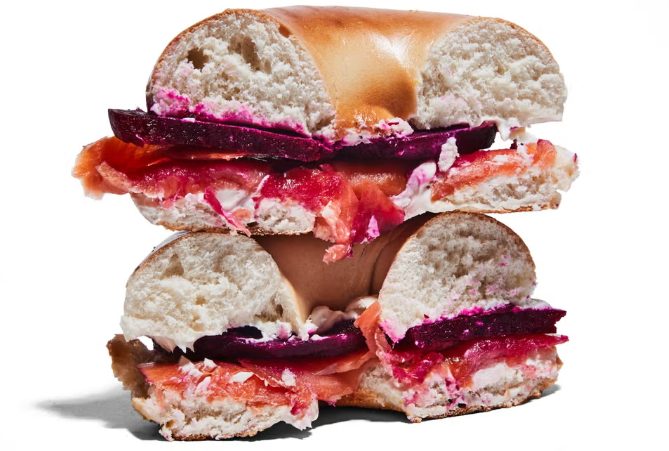
Studies show that higher intakes of the omega-3 fatty acids found in fish may translate into lower levels of delayed-onset muscle soreness and reduced inflammation after workouts. Bagels are more carb-dense than bread, making them more capable of restocking glycogen. The pickled beets supply a quick hit of sodium, plus nitrates that may improve blood flow to working muscles.
A bowl of cereal with milk.

One small study on triathletes found that subjects who consumed a bowl of whole-grain cereal with low-fat milk after endurance exercise experienced improvements in the synthesis of both muscle glycogen (the stored form of glucose) and muscle protein. The dynamic duo of carbs in cereal and protein in cow’s milk can expedite recovery following exercise.
Two hard-boiled eggs with a glass of tomato juice.
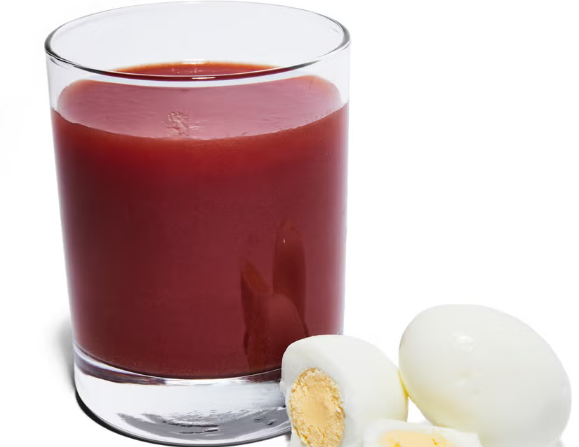
According to research, eating whole eggs does a better job of stimulating muscle-protein synthesis after a training session than egg whites. Other research found that, thanks to its antioxidants, tomato juice can reduce inflammation more than water. The added salt in tomato juice also works to replenish the sodium you may have lost in sweat.
READ MORE ON: fuel up nutrition post-run recovery