
The Real Cause of Marathon Fatigue Is Not What You Think
How to avoid hitting that wall.

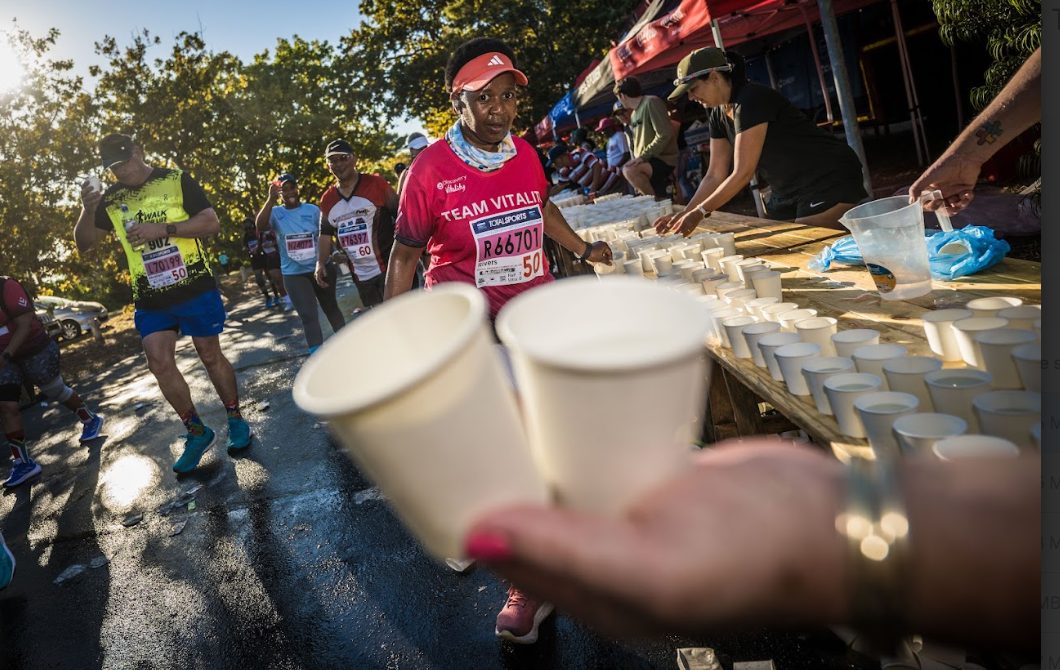
Contrary to what many runners may think, fatigue is not always due to a lack of fitness. Yet instead of addressing the root cause of fatigue, runners double down and train more. The catch: The more you train, the more you develop acute fatigue, making recovery even more paramount.
Most runners are not under- or overtraining for the marathon, but they may be underfuelling…
So if you want to improve fatigue resistance in the marathon, you need to think beyond midrace gels and instead focus on consistent energy intake, daily carbohydrate intake, and incorporating nutrient-rich foods throughout the day and your training cycle. Here’s how.
Energy Availability: The Foundation for Fighting Fatigue
To understand fuelling and fatigue, you need to understand energy availability, which is the amount of dietary energy (in the form of calories) your body has to have to maintain its physiological functions, after accounting for exercise. You need sufficient energy to support recovery, adaptation, hormone function, immune health, bone integrity, and overall durability and resilience.
If your daily energy intake does not support your training load, your body compensates by slowing recovery, down-regulating hormonal systems, and experiencing more “high stress” responses. Regularly underfuelling could also disrupt your sleep, as well as your pace when you try to run faster or farther.
Prolonged low energy availability often leads to missing more days of training due to excessive fatigue and can even increase the likelihood of illness or injury. If you get sick, injured, or simply carry excess cumulative fatigue because you’re underfuelling, your chances of toeing the start line healthy decrease.
You build your marathon performance on consistent training, but you build consistent training on adequate daily energy intake.
Why You Need to Fuel With Carbs Around Your Runs
Before long runs and key interval sessions, you need to eat carbohydrates. Doing so boosts blood glucose and liver glycogen, which are important for maintaining energy for your entire body, including your brain and nervous system.
After running, carbohydrate intake helps to restock muscle glycogen stores.
After running, carbohydrate intake helps to restock muscle glycogen stores. The immediate post-run window matters because glycogen resynthesis rates are elevated in the first 30 to 60 minutes. A practical target for your post-run meal or snack is 1 to 1.2 grams of carbohydrate per kilogram of bodyweight (about 0.45 to 0.55 grams per pound) combined with approximately 0.5 grams per kilogram of protein.
Post-run protein is just as important as carbs because it helps reduce fatigue by supplying the amino acids needed to repair muscle and rebuild mitochondrial proteins that power energy production. It also helps shift the body out of a breakdown state and supports glycogen resynthesis and recovery for your next session.
However, recovery doesn’t end with one initial post-run or post-race meal. Steady carbohydrate intake for the next 24 to 48 hours helps restore and maintain muscle glycogen for upcoming workouts and races. If you underfuel after a long run, fatigue compounds throughout the week.
A daily approach to extended recovery includes:
- High-fibre complex carbohydrates to replenish glycogen after workouts and throughout the week (think: whole grains, vegetables, fruits, beans, and lentils).
- Protein to repair muscle tissue and produce energy (aim for 1.8 to 2 grams per kilogram of bodyweight) per day, spread evenly throughout meals, which may look like 20 to 30 grams per meal.
- Fluids and high-fluid foods to maintain hydration, specifically 3 to 4 litres per day.
- Antioxidant and anti-inflammatory foods incorporated into meals throughout the training week. For example, tart cherry juice and blueberries provide polyphenols that may help lower exercise-induced inflammation and muscle soreness. Broccoli sprouts are rich in sulforaphane, a compound linked to cellular antioxidant pathways. And dietary nitrates, found in beetroot, spinach, and arugula, can enhance nitric oxide production, which improves blood flow efficiency.
- Because iron deficiency can be prevalent in endurance running, it’s also smart to include iron-containing foods, including meat, poultry, beans, beets, and leafy greens.
What to Know About Prerace Carb Loading and Why You Should Go Beyond Pasta
Glycogen is a primary fuel source at marathon pace. If your glycogen stores drop too low, your pace slows and perceived effort increases. Carb loading can increase muscle glycogen stores, providing an easily accessible energy source for your race.
Aiming for 8 to 10 grams of carbohydrate per kilogram of bodyweight in the 24 to 36 hours before a marathon is a good starting point for many runners. To do this, simply increase the relative portion of carbohydrates during meals and snacks throughout the days leading up to the event, rather than only loading up on pasta the night before the race.
In the final 24 hours before your race, be mindful of excess fibre intake. Dramatically increasing foods such as vegetables and beans right before the marathon can increase GI distress risk on race day. Focus on familiar foods, moderate portions, and lower-fibre carbohydrate sources, like waffles, bagels, or toast, as you get closer to the start.
Many runners struggle not with what to eat, but when to eat on race morning. A practical target is 2 to 4 grams of carbohydrate per kilogram of body weight two to four hours before the start. The closer you are to the start, the smaller and more easily digestible the meal should be. For example, four hours before, you might have oatmeal with maple syrup and fruit, but two hours before, you might opt for toast with jam.
Consistently supporting daily energy intake, carbohydrate availability, and recovery through nutrient-dense foods across your race buildup has more influence on how you will feel at the 32km marker of the marathon than you might think. It could provide the missing factor you’re looking for to avoid hitting the wall and instead run your best race.
READ MORE ON: marathon training nutrition post-run nutrition pre-run nutrition