
This Simple Recovery Tool Fixed My Biggest Running Mistake

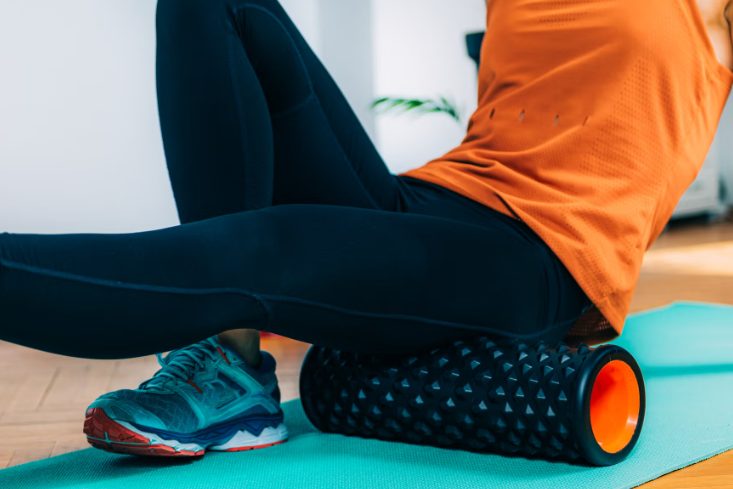
When I first started running, I thought muscle soreness came as part of the whole package. Put in the hard miles, and you’ll know you’re reaping the rewards of your work if your muscles feel tired the following day. If I didn’t feel spent after kilometre repeats or sets of 400s, maybe that meant I could’ve run even faster.
But even during my naive, teenage years, I quickly realised that’s far from the truth. Sure, a tough workout or weight-lifting session may leave your legs feeling fatigued for a day or two, but a smart runner optimises their recovery to mitigate any excessive signs of exhaustion. I didn’t completely understand that until my high school coach made a key recommendation that helped me create a recovery routine as a newer runner: buy a foam roller.
…how foam rolling is an excellent reprieve from sore, achy muscle…
I listened as he explained how foam rolling is an excellent reprieve from sore, achy muscles, and I quickly got my hands on one. I used the tool to develop strong recovery habits that I swore by for years as a competitive runner, and it literally never left my side. Every track meet, that roller sat underneath our team tent. And nearly 10 years later, I still own and use the same basic foam roller regularly. Talk about a good use of R200.
Finding a recovery strategy that sticks can completely transform your training and enhance not just your performance, but also your confidence. Neglecting to create a recovery approach is one of many mistakes we often see newcomers make when kickstarting their running journey, and we would like to help you avoid those mistakes.
Your post-run routine plays an equally important role in your training as your warmup or even a workout itself. It’s the time when your body repairs your damaged muscle tissue to grow stronger, and ultimately helps your training progress. Stretching, or rolling out your muscles, can relieve soreness, increase your power, and even improve your strength and endurance. And you can build your own regimen by simply finding what works for you, whether it’s foam rolling, throwing on some recovery sandals, or even slipping on some compression boots.
But finding a recovery tool that you enjoy using is just one small part of building out your post-run routine for keeping your body healthy. From getting plenty of sleep to eating the right foods, you can optimise your recovery with a variety of strategies, and we provide numerous articles on our website to help you with your journey and plenty of tips aimed at helping you head out the door and fall in love with your run routine.
READ MORE ON: foam rolling recovery tools